Public Holidays in Ukraine 2026 – National & Orthodox Holidays
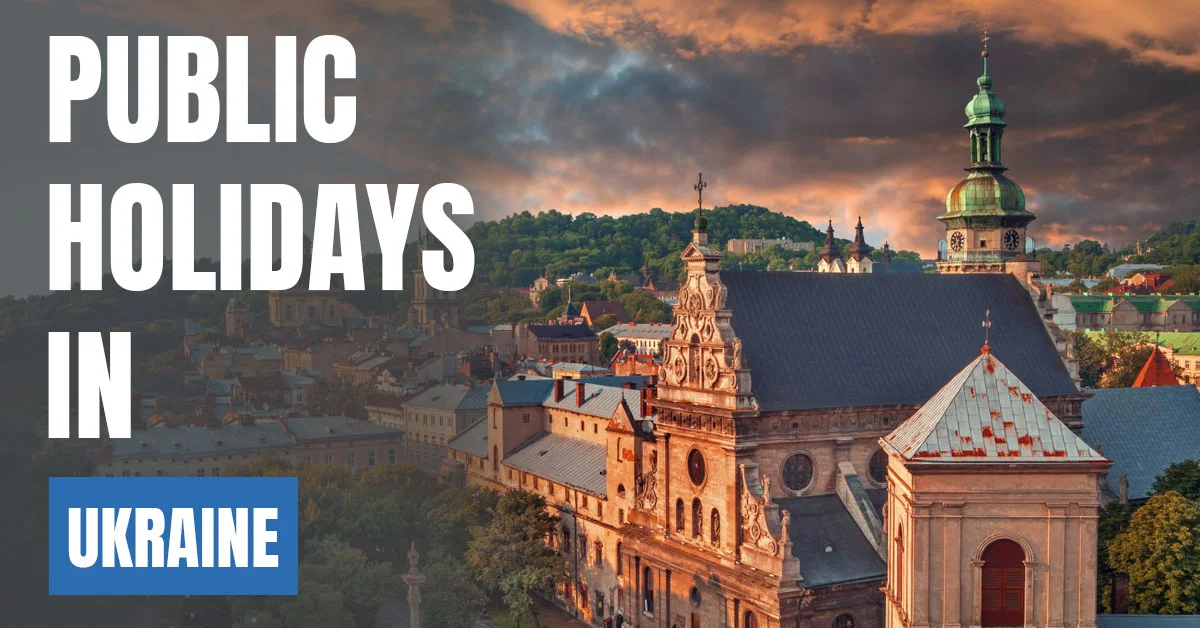
Ukraine observes a mix of national, cultural, and religious public holidays. In recent years, some holiday dates and observance rules have evolved due to legislative reforms and wartime conditions.
Explore more: Public Holidays in Uganda
Overview of Public Holidays in Ukraine
Public holidays in Ukraine include fixed national observances such as Independence Day and Ukrainian Statehood Day, along with Christian holidays observed by Orthodox and other Christian communities. Weekend substitution rules may apply, though implementation can vary during periods of martial law.
List of Public Holidays in Ukraine (2026)
| Holiday | Date (2026) | Day | Significance / Notes |
|---|---|---|---|
| New Year’s Day | January 1 | Thursday | Beginning of the Gregorian year. |
| Orthodox Christmas Day | January 7 | Wednesday | Traditional Orthodox Christmas observance. |
| International Women’s Day | March 8 | Sunday | Social and cultural observance. |
| Orthodox Easter Sunday | April 12 | Sunday | Major Christian celebration. |
| Orthodox Easter Monday | April 13 | Monday | Public holiday following Easter. |
| Labour Day | May 1 | Friday | International Workers’ Day. |
| Day of Remembrance and Victory over Nazism | May 8 | Friday | European-style WWII remembrance day. |
| Orthodox Pentecost (Whit Sunday) | May 31 | Sunday | Holy Trinity celebration. |
| Whit Monday | June 1 | Monday | Public holiday following Pentecost. |
| Constitution Day | June 28 | Sunday | Marks adoption of the 1996 Constitution. |
| Ukrainian Statehood Day | July 15 | Wednesday | Celebrates Ukraine’s historic state origins. |
| Independence Day | August 24 | Monday | National independence from the Soviet Union. |
| Day of Defenders of Ukraine | October 1 | Thursday | Honors defenders of the nation. |
| Christmas Day (Western) | December 25 | Friday | Recognized national public holiday. |
List of Public Holidays in Ukraine (2025)
| Holiday | Date (2025) | Day | Significance / Notes |
|---|---|---|---|
| New Year’s Day | January 1 | Wednesday | Start of the Gregorian year. |
| Orthodox Christmas Day | January 7 | Tuesday | Orthodox Christian celebration. |
| International Women’s Day (Observed) | March 10 | Monday | Observed due to weekend. |
| Orthodox Easter Sunday | April 20 | Sunday | Major Christian holiday. |
| Orthodox Easter Monday | April 21 | Monday | Day after Easter. |
| Labour Day | May 1 | Thursday | Workers’ Day. |
| Day of Remembrance and Victory over Nazism | May 8 | Thursday | European WWII remembrance. |
| Orthodox Whit Sunday | June 8 | Sunday | Pentecost celebration. |
| Whit Monday | June 9 | Monday | Public holiday. |
| Constitution Day | June 28 | Saturday | Adoption of Constitution. |
| Ukrainian Statehood Day | July 15 | Tuesday | Historic statehood celebration. |
| Independence Day | August 24 | Sunday | National Independence Day. |
| Day of Defenders of Ukraine | October 1 | Wednesday | Honors national defenders. |
| Christmas Day (Western) | December 25 | Thursday | Western Christian Christmas. |
Religious and Cultural Significance
Ukraine’s public holidays reflect Christian traditions and strong national identity. Orthodox Easter and Pentecost remain deeply significant, while Independence Day and Statehood Day emphasize sovereignty. The adoption of May 8 as the official WWII remembrance day aligns Ukraine with broader European practice.
Public Observances and Closures
Government offices, banks, and many businesses typically close on public holidays. However, due to martial law provisions, some substitute-day rules may be suspended or modified. Official announcements are issued annually by Ukrainian authorities.
Frequently Asked Questions (FAQs)
How many public holidays does Ukraine have in 2026?
Ukraine is expected to observe around 13–15 public holidays in 2026, depending on weekend adjustments and government directives.
Why do some Ukrainian holidays change observance rules?
Holiday observance may be adjusted due to legal reforms, alignment with European standards, or temporary wartime legislation.
Conclusion
Ukraine’s public holidays reflect resilience, faith, and national identity. From Easter traditions to Independence Day commemorations, these holidays mark the country’s cultural roots and its ongoing journey as a sovereign European state.