Cost of Living in Djibouti 2026 Guide for Expats and Travelers
Djibouti is a small yet strategically important country in the Horn of Africa, known for its Red Sea coastline, unique desert landscapes, and international military presence. Its capital, Djibouti City, is the country’s economic and cultural hub, attracting expats, NGO workers, military personnel, and business travelers. Djibouti has a higher cost of living compared to many African nations due to limited local production and reliance on imports. Understanding the cost of living helps newcomers plan their lifestyle and monthly budget effectively.
Learn more about the country here: Djibouti.
Cost of Living in Djibouti: Summary Table
| Category | Estimated Cost (USD) | Estimated Cost (DJF) |
|---|---|---|
| Average Monthly Cost (Single Person) | $1,000 – $1,700 | DJF (varies) |
| Average Monthly Cost (Family of Four) | $2,500 – $4,200 | DJF |
| Rent Range | $600 – $1,600 | DJF |
| Food Cost (Monthly) | $300 – $500 | DJF |
| Transport Cost | $40 – $100 | DJF |
| Utilities | $100 – $180 | DJF |
| Healthcare | $20 – $60 per visit | DJF |
| Education | $800 – $7,000 annually | DJF |
| Miscellaneous Expenses | $60 – $150 | DJF |
Housing & Rent Prices in Djibouti
3.1 Apartment Rent (Monthly)
Housing is one of the highest expenses in Djibouti, especially in Djibouti City where demand from international workers increases prices.
- 1-bedroom in city center: $900 – $1,400
- 1-bedroom outside center: $600 – $900
- 3-bedroom in city center: $1,400 – $1,600
- 3-bedroom outside center: $900 – $1,300
3.2 Buying Property
Property purchase is difficult for foreigners, with complex regulations. Rentals remain the dominant housing choice for expats.
Food & Grocery Costs
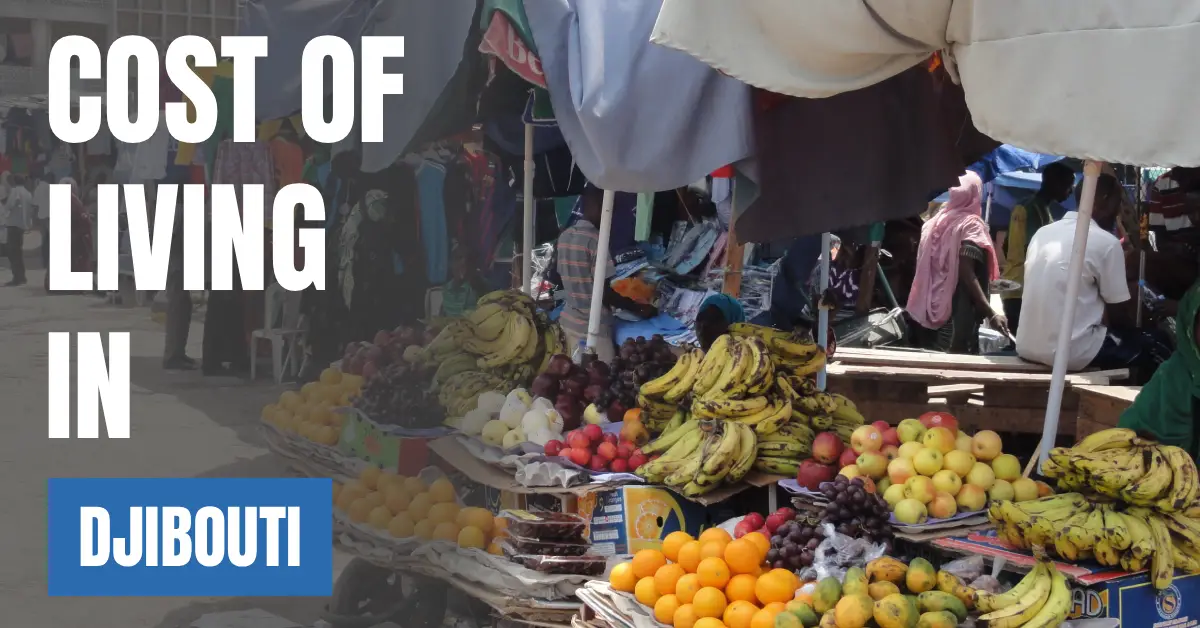
Djibouti imports most of its food, making groceries more expensive compared to neighboring countries.
- Milk (1 liter): $1.20 – $2.00
- Bread (loaf): $1.00 – $2.00
- Rice (1 kg): $1.50 – $3.00
- Eggs (12): $2.00 – $3.50
- Chicken (1 kg): $6.00 – $10.00
- Beef (1 kg): $10.00 – $15.00
- Bananas (1 kg): $1.50 – $2.50
- Tomatoes (1 kg): $2.00 – $4.00
- Bottled water (1.5 L): $0.80 – $1.50
- Soft drinks: $1.20 – $2.50
Monthly grocery estimate:
- Single person: $300 – $400
- Family of four: $450 – $650
Restaurant & Dining Costs
- Inexpensive meal: $6 – $10
- Mid-range restaurant (two people): $25 – $50
- Fast food combo: $6 – $9
- Coffee: $2 – $4
- Fresh juice: $2 – $4
Transportation Costs
Taxis and buses are common. Many expats use private vehicles due to convenience and limited public transport.
- One-way ticket: $0.50 – $1.00
- Monthly pass: $15 – $25
- Taxi (per km): $1.00 – $2.00
- Fuel (per liter): $1.20 – $1.60
Optional vehicle expenses:
- Car maintenance: $20 – $50
- Parking: $20 – $60 monthly
Utility Costs
Utilities are higher during hot seasons due to air conditioning usage.
- Electricity: $50 – $100
- Water: $10 – $20
- Gas/Heating: $10 – $20
- Internet: $40 – $70
- Mobile plans: $10 – $20
Healthcare Costs
Private healthcare is preferred by expats for reliable service. Some specialized treatments may require travel abroad.
- Doctor visit: $20 – $40
- Specialist visit: $40 – $60
- Medicines: $5 – $20
Education Costs
- Public schools: limited availability for expats
- Private schools: $800 – $7,000 annually
- International schools: higher fees depending on curriculum
Entertainment & Lifestyle Expenses
- Gym membership: $30 – $60
- Movie ticket: $6 – $10
- Sports activities: $20 – $40
- Nightlife: $10 – $25 per outing
Cost of Living for Different Groups
11.1 Cost of Living for Singles
Singles typically spend $1,000 – $1,700 monthly depending on housing and entertainment choices.
11.2 Cost of Living for Couples
Couples generally spend $1,800 – $3,000 monthly.
11.3 Cost of Living for Families
A family of four needs $2,500 – $4,200 including housing, school fees, and groceries.
11.4 Cost of Living for Students
Students can live on $600 – $1,000 with shared accommodation and local food options.
11.5 Cost of Living for Expats
Expats typically spend $1,500 – $3,000 depending on lifestyle and work benefits.
Comparison With Other Countries
- Djibouti vs Ethiopia: Djibouti is significantly more expensive.
- Djibouti vs Kenya: Kenya is more affordable for rent and food.
- Djibouti vs UAE: UAE has higher rent, but cheaper groceries and utilities.
Pros & Cons of Living in Djibouti
Pros
- Warm climate and coastal lifestyle
- Strategic location with international presence
- Low crime in most areas
- Diverse community of foreigners
Cons
- High cost of living
- Limited public transport
- Dependence on imported goods
- Restricted property ownership for foreigners
Final Summary
Djibouti offers a unique blend of coastal living, international influence, and cultural diversity. While it is more expensive than many African countries due to its import-based economy, it provides a stable and secure environment for expats, professionals, and families. With proper budgeting, Djibouti can be a comfortable and rewarding place to live.
Explore more Djibouti resources:
- Best Cities in Djibouti
- Best Places to Visit in Djibouti
- Top Universities in Djibouti
- Best Shopping Malls in Djibouti
- Best National Parks in Djibouti
- Best Hospitals in Djibouti
- Best Hotels in Djibouti
FAQs
Is Djibouti expensive to live in?
Yes, Djibouti is relatively expensive due to its reliance on imports and limited local production.
How much salary is enough to live comfortably in Djibouti?
A monthly income of $1,500 – $2,500 is generally enough for comfortable living.
What is the average rent in Djibouti?
Rent ranges from $600 to $1,600 depending on location and apartment size.
Is Djibouti good for expats?
Yes, Djibouti attracts many expats due to its safety, international presence, and unique cultural experience.
Is Djibouti cheaper than Kenya?
No, Kenya is generally more affordable, especially for food and rent.