Cost of Living in Comoros 2026 Guide for Expats and Travelers
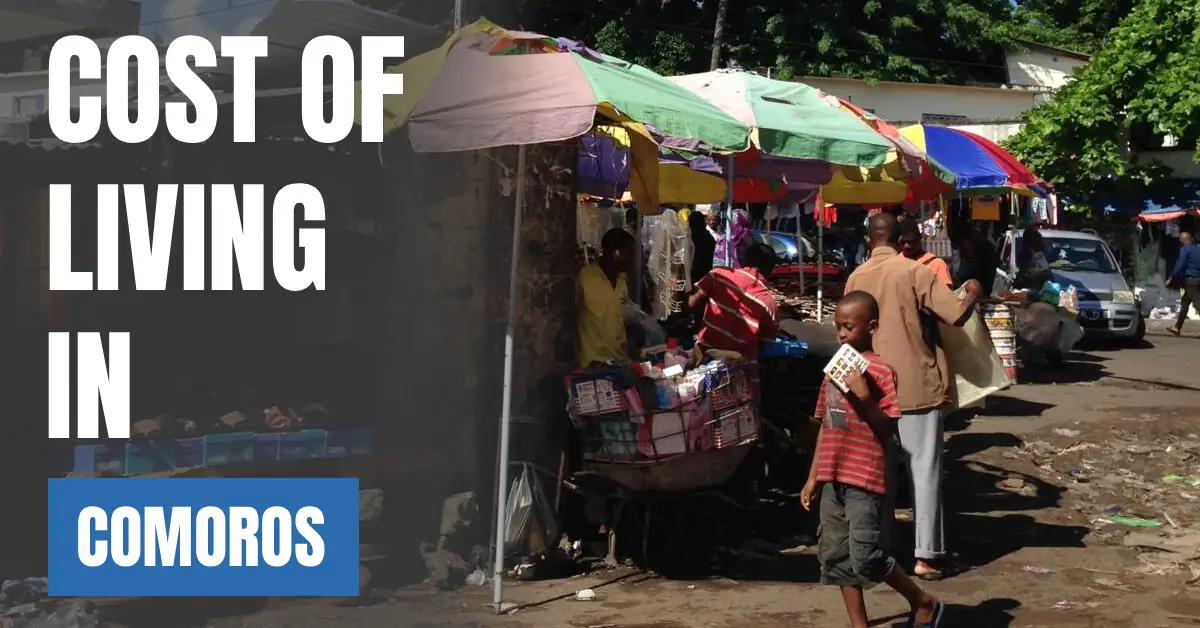
Comoros is a small island nation in the Indian Ocean known for its beaches, volcanic landscapes, and quiet island lifestyle. With a slower pace of life and relatively low daily expenses, Comoros is suitable for budget travelers, expats working with NGOs, students, and families seeking a peaceful environment. Understanding the cost of living in Comoros helps newcomers plan for housing, food, utilities, and transportation in this unique island nation.
Learn more about the country here: Comoros.
Cost of Living in Comoros: Summary Table
| Category | Estimated Cost (USD) | Estimated Cost (KMF) |
|---|---|---|
| Average Monthly Cost (Single Person) | $400 – $700 | KMF (varies) |
| Average Monthly Cost (Family of Four) | $900 – $1,600 | KMF |
| Rent Range | $150 – $450 | KMF |
| Food Cost (Monthly) | $120 – $200 | KMF |
| Transport Cost | $20 – $40 | KMF |
| Utilities | $25 – $60 | KMF |
| Healthcare | $5 – $20 per visit | KMF |
| Education | $150 – $1,000 annually | KMF |
| Miscellaneous Expenses | $20 – $60 | KMF |
Housing & Rent Prices in Comoros
3.1 Apartment Rent (Monthly)
Housing costs are affordable, but options may be limited outside Moroni.
- 1-bedroom in city center: $200 – $350
- 1-bedroom outside center: $120 – $200
- 3-bedroom in city center: $350 – $450
- 3-bedroom outside center: $200 – $350
3.2 Buying Property
Foreigners face restrictions when purchasing property, and legal processes can be slow. Prices depend on land location and access to utilities.
Food & Grocery Costs
Food is reasonably priced, especially local produce and seafood. Imported goods are more expensive due to shipping.
- Milk (1 liter): $1.00 – $1.80
- Bread (loaf): $0.50 – $1.00
- Rice (1 kg): $1.00 – $2.00
- Eggs (12): $1.50 – $2.50
- Chicken (1 kg): $2.00 – $4.00
- Beef (1 kg): $4.00 – $7.00
- Bananas (1 kg): $0.50 – $1.20
- Tomatoes (1 kg): $0.80 – $1.50
- Bottled water (1.5 L): $0.70 – $1.20
- Soft drinks: $0.70 – $1.50
Monthly grocery estimate:
- Single person: $120 – $180
- Family of four: $200 – $300
Restaurant & Dining Costs
- Inexpensive meal: $2 – $4
- Mid-range restaurant (two people): $10 – $25
- Fast food combo: $3 – $6
- Coffee: $1 – $2
- Fresh juice: $0.80 – $1.50
Transportation Costs
Transport is low-cost, with shared taxis being the primary mode.
- One-way local ride: $0.20 – $0.50
- Taxi (per km): $0.30 – $0.70
- Fuel (per liter): $1.10 – $1.50
Optional costs:
- Motorcycle maintenance: $5 – $15
- Parking: mostly free
Utility Costs
Utilities can fluctuate due to power or water disruptions in some regions.
- Electricity: $10 – $25
- Water: $5 – $10
- Gas: $5 – $10
- Internet: $20 – $40
- Mobile plans: $3 – $8
Healthcare Costs
Healthcare is basic, with limited facilities. Many expats prefer private clinics or travel abroad for specialized care.
- Doctor visit: $5 – $10
- Specialist visit: $10 – $20
- Medicines: $2 – $5
Education Costs
- Public schools: low-cost but limited resources
- Private schools: $150 – $1,000 annually
- International schools: limited availability
Entertainment & Lifestyle Expenses
- Gym membership: $10 – $25
- Movie ticket: $3 – $6
- Cultural events: $2 – $10
- Nightlife: $3 – $10 per outing
Cost of Living for Different Groups
11.1 Cost of Living for Singles
Singles typically spend $400 – $700 per month depending on rent and lifestyle.
11.2 Cost of Living for Couples
Couples generally spend $700 – $1,200 monthly.
11.3 Cost of Living for Families
A family of four needs $900 – $1,600 including education and utilities.
11.4 Cost of Living for Students
Students can live on $200 – $350 if sharing accommodation.
11.5 Cost of Living for Expats
Expats typically spend $700 – $1,200 depending on the island and housing type.
Comparison With Other Countries
- Comoros vs Madagascar: Comoros is slightly more expensive due to imports.
- Comoros vs Tanzania: Tanzania has more affordable food markets.
- Comoros vs Mauritius: Mauritius is more developed and significantly more expensive.
Pros & Cons of Living in Comoros
Pros
- Very low cost of living
- Beautiful beaches and natural scenery
- Low-cost local food
- Friendly and peaceful communities
Cons
- Limited healthcare facilities
- Slow infrastructure development
- High cost of imported goods
- Limited nightlife and entertainment
Final Summary
Comoros offers a simple and very affordable island lifestyle. Housing, food, transport, and daily expenses are low, making it ideal for students, volunteers, and expats seeking a peaceful environment. Although infrastructure and healthcare may be limited, the overall cost of living remains one of the lowest in the region.
Explore more Comoros resources:
- Best Cities in Comoros
- Best Places to Visit in Comoros
- Top Universities in Comoros
- Best Shopping Malls in Comoros
- Best National Parks in Comoros
- Best Hospitals in Comoros
- Best Hotels in Comoros
FAQs
Is Comoros expensive to live in?
No, Comoros is one of the most affordable countries in the Indian Ocean region.
How much salary is enough to live comfortably in Comoros?
A monthly income of $500 – $800 is usually enough for a comfortable lifestyle.
What is the average rent in Comoros?
Rent ranges from $120 to $450 depending on the area and apartment size.
Is Comoros good for expats?
Yes, especially for volunteers, NGO workers, and expats looking for a peaceful, low-cost lifestyle.
Is Comoros cheaper than Mauritius?
Yes, Comoros is significantly cheaper in rent, food, and transportation.