
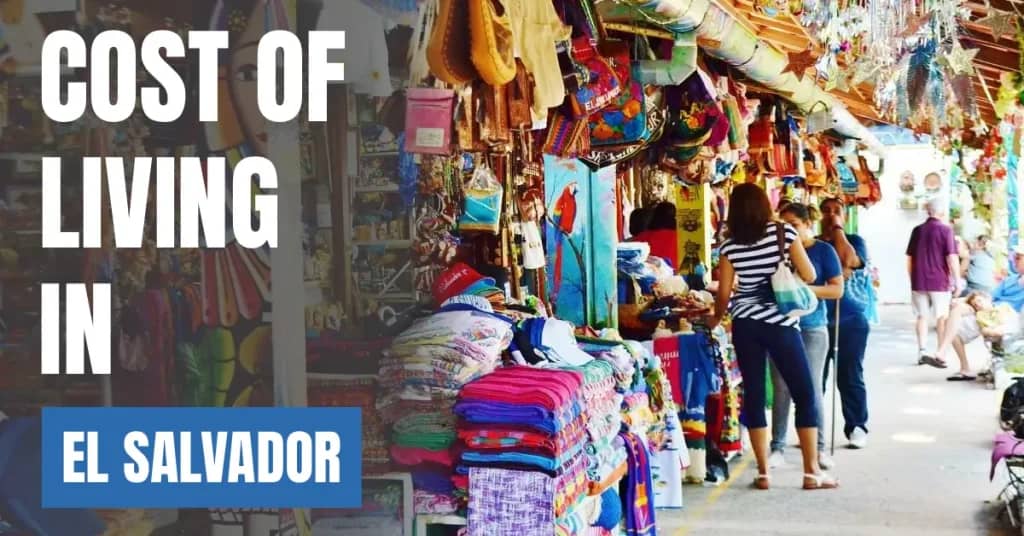
El Salvador is a Central American country known for its Pacific coastline, volcanoes, developing infrastructure, and rapidly growing digital economy. Cities like San Salvador, Santa Ana, and San Miguel appeal to expats, digital nomads, surfers, students, and entrepreneurs. With the US Dollar as the official currency and Bitcoin also accepted, understanding the cost of living in El Salvador helps newcomers manage expenses and lifestyle choices effectively.
On this pageTable of Content
Learn more about the country here: El Salvador.
Cost of Living in El Salvador: Summary Table
Note: El Salvador uses the US Dollar (USD) as its official currency. Bitcoin (BTC) is also legal tender, though usage varies.
| Category | Estimated Cost (USD) | Estimated Cost (Local Currency) |
|---|---|---|
| Average Monthly Cost (Single Person) | $700 – $1,200 | USD |
| Average Monthly Cost (Family of Four) | $1,500 – $2,800 | USD |
| Rent Range | $300 – $900 | USD |
| Food Cost (Monthly) | $200 – $350 | USD |
| Transport Cost | $20 – $50 | USD |
| Utilities | $50 – $120 | USD |
| Healthcare | $10 – $30 per visit | USD |
| Education | $500 – $4,000 annually | USD |
| Miscellaneous Expenses | $30 – $80 | USD |
Housing & Rent Prices in El Salvador
3.1 Apartment Rent (Monthly)
Rent varies by city and neighborhood. San Salvador’s upscale areas like Escalón and Santa Elena cost more, while smaller towns are more affordable.
- 1-bedroom in city center: $450 – $700
- 1-bedroom outside center: $300 – $500
- 3-bedroom in city center: $700 – $1,000
- 3-bedroom outside center: $500 – $750
3.2 Buying Property
Property prices vary widely. Coastal areas popular with tourists and surfers, such as El Tunco and El Zonte, are more expensive due to foreign interest.
Food & Grocery Costs
Local foods and fresh produce are affordable. Imported products cost more.
- Milk (1 liter): $1.00 – $1.50
- Bread (loaf): $1.20 – $2.00
- Rice (1 kg): $1.00 – $1.80
- Eggs (12): $1.50 – $2.50
- Chicken (1 kg): $3.50 – $6.00
- Beef (1 kg): $6.00 – $10.00
- Bananas (1 kg): $0.60 – $1.20
- Tomatoes (1 kg): $1.00 – $2.00
- Bottled water (1.5 L): $0.60 – $1.20
- Soft drinks: $1.00 – $1.50
Monthly grocery estimate:
- Single person: $200 – $300
- Family of four: $300 – $450
Restaurant & Dining Costs
- Inexpensive meal: $3 – $6
- Mid-range restaurant (two people): $20 – $40
- Fast food combo: $5 – $8
- Coffee: $1.50 – $3.00
- Fresh juice: $1.00 – $2.50
Transportation Costs
Transport is affordable. Many locals use buses, while expats prefer rideshare apps or private vehicles.
- One-way bus ticket: $0.25 – $0.35
- Monthly bus pass: $10 – $15
- Taxi (per km): $1.00 – $2.00
- Fuel (per liter): $0.80 – $1.20
Optional vehicle expenses:
- Car maintenance: $20 – $60
- Parking (monthly): $15 – $40
Utility Costs
- Electricity: $20 – $50
- Water: $5 – $10
- Internet: $25 – $45
- Mobile plans: $5 – $15
Healthcare Costs
Healthcare is affordable, with both public and private options. Private hospitals are preferred for quality and speed.
- GP consultation: $10 – $20
- Specialist visit: $15 – $30
- Common medicines: $5 – $15
Education Costs
- Public schools: low cost
- Private schools: $500 – $4,000 annually
- International schools: higher fees based on curriculum
Entertainment & Lifestyle Expenses
- Gym membership: $20 – $40
- Movie ticket: $4 – $7
- Surf lessons / rental: $10 – $30
- Nightlife: $5 – $15 per outing
Cost of Living for Different Groups
11.1 Cost of Living for Singles
Singles typically spend $700 – $1,200 depending on housing and lifestyle.
11.2 Cost of Living for Couples
Couples spend around $1,200 – $2,000 monthly.
11.3 Cost of Living for Families
A family of four usually spends $1,500 – $2,800 including rent, food, utilities, and education.
11.4 Cost of Living for Students
Students can live on $600 – $900 by choosing budget housing and local food.
11.5 Cost of Living for Expats
Expats generally spend $1,500 – $2,500 depending on location and lifestyle.
Comparison With Other Countries
- El Salvador vs Costa Rica: El Salvador is significantly cheaper overall.
- El Salvador vs Mexico: Similar costs; Mexico has more regional variation.
- El Salvador vs USA: El Salvador is far more affordable in every category.
Pros & Cons of Living in El Salvador
Pros
- Affordable living costs
- Warm climate and beautiful Pacific beaches
- Growing digital and tourism sectors
- US Dollar makes budgeting easy for foreigners
Cons
- Imported goods can be expensive
- Public healthcare quality varies
- Some areas have limited public transport
Final Summary
El Salvador offers an affordable and comfortable lifestyle with low-cost food, transport, and moderate housing prices. With the US Dollar as the primary currency and a rising digital economy, it is a strong destination for expats, retirees, surfers, and remote workers seeking balance between cost and quality of life.
Explore more El Salvador resources:
- Best Cities in El Salvador
- Best Places to Visit in El Salvador
- Top Universities in El Salvador
- Best Shopping Malls in El Salvador
- Best National Parks in El Salvador
- Best Hospitals in El Salvador
- Best Hotels in El Salvador
FAQs
Is El Salvador expensive to live in?
No, El Salvador is affordable compared to many Latin American countries.
How much salary is enough to live comfortably in El Salvador?
A monthly income of $1,000 – $1,600 is generally enough for comfortable living.
What is the average rent in El Salvador?
Rent ranges from $300 to $900 depending on the city and neighborhood.
Is El Salvador good for expats?
Yes, it attracts expats due to low costs, digital growth, and coastal living.
Is El Salvador cheaper than Costa Rica?
Yes, El Salvador is significantly cheaper overall.
Join the conversation
Have thoughts on this topic? Share them with others.
Ask questions, share experience, and learn from the Visaboards Community.