
Cost of Living in Eritrea 2026 Guide for Expats and Travelers
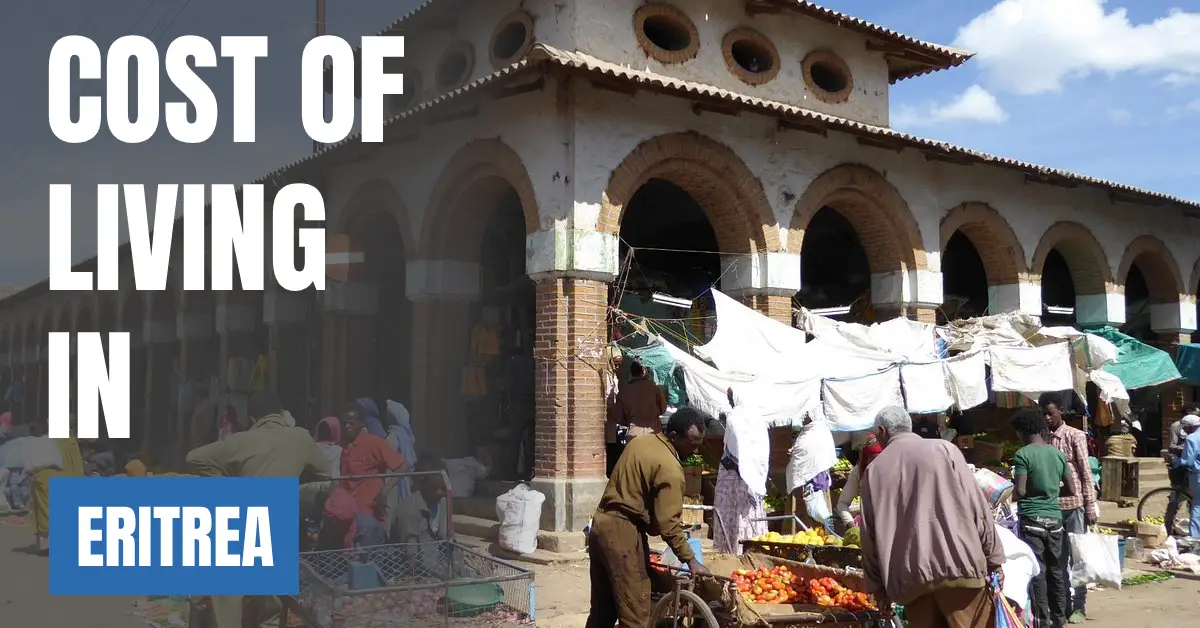
Eritrea is a Northeast African country along the Red Sea, known for its Italian-influenced architecture, historic port cities, and diverse landscapes ranging from mountains to coastal plains. Cities like Asmara, Massawa, and Keren provide a calm, community-driven lifestyle. The cost of living in Eritrea is generally low for locals, but it can vary significantly for expats due to limited availability of imported goods. Understanding the cost of living helps expats, students, NGO workers, and professionals plan their stay effectively.
Learn more about the country here: Eritrea.
Cost of Living in Eritrea: Summary Table
Note: Eritrea uses the Eritrean Nakfa (ERN).
| Category | Estimated Cost (USD) | Estimated Cost (ERN) |
|---|---|---|
| Average Monthly Cost (Single Person) | $350 – $600 | Approx. in ERN |
| Average Monthly Cost (Family of Four) | $800 – $1,400 | Approx. in ERN |
| Rent Range | $150 – $450 | ERN |
| Food Cost (Monthly) | $120 – $200 | ERN |
| Transport Cost | $10 – $25 | ERN |
| Utilities | $20 – $40 | ERN |
| Healthcare | $5 – $15 per visit | ERN |
| Education | $150 – $1,000 annually | ERN |
| Miscellaneous Expenses | $20 – $50 | ERN |
Housing & Rent Prices in Eritrea
3.1 Apartment Rent (Monthly)
- 1-bedroom in city center: $200 – $350
- 1-bedroom outside center: $120 – $200
- 3-bedroom in city center: $300 – $450
- 3-bedroom outside center: $200 – $350
3.2 Buying Property
Buying property is highly regulated, and foreign ownership is limited. Prices vary widely based on location and availability.
Food & Grocery Costs
Local food is affordable, especially vegetables and grains. Imported goods, dairy, and packaged foods tend to be more expensive.
- Milk (1 liter): $1.00 – $2.00
- Bread (loaf): $0.40 – $0.80
- Rice (1 kg): $1.00 – $1.50
- Eggs (12): $1.20 – $2.00
- Chicken (1 kg): $3.00 – $5.00
- Beef (1 kg): $4.50 – $7.00
- Potatoes (1 kg): $0.80 – $1.20
- Tomatoes (1 kg): $1.00 – $1.50
- Bottled water (1.5 L): $0.80 – $1.20
- Soft drinks: $0.70 – $1.20
Monthly grocery estimates:
- Single person: $120 – $180
- Family of four: $200 – $280
Restaurant & Dining Costs
- Inexpensive meal: $2 – $4
- Mid-range restaurant (two people): $10 – $25
- Fast food combo: $3 – $5
- Coffee: $0.80 – $2.00
- Fresh juice: $1.00 – $2.50
Transportation Costs
Public transportation is inexpensive but limited. Many people use shared taxis or bicycles.
- Local bus ride: $0.10 – $0.25
- Taxi (per km): $0.30 – $0.60
- Fuel (per liter): $1.00 – $1.30
Optional vehicle expenses:
- Car maintenance: $10 – $25 per month
- Parking: often free or very low cost
Utility Costs
- Electricity: $10 – $20
- Water: $3 – $7
- Internet: $20 – $40
- Mobile plans: $3 – $10
Healthcare Costs
Healthcare in Eritrea is low-cost, though public facilities can be basic. Many expats prefer private clinics.
- Doctor visit: $5 – $10
- Specialist visit: $10 – $15
- Common medicines: $1 – $5
Education Costs
- Public schools: very affordable or free
- Private schools: $150 – $800 annually
- International schools: higher fees depending on curriculum
Entertainment & Lifestyle Expenses
- Gym membership: $10 – $25
- Movie ticket: $3 – $6
- Sports events: $2 – $10
- Café/nightlife outing: $3 – $8
Cost of Living for Different Groups
11.1 Cost of Living for Singles
Singles typically need $350 – $600 per month depending on housing.
11.2 Cost of Living for Couples
Couples generally spend $600 – $1,000 monthly.
11.3 Cost of Living for Families
A family of four usually spends $800 – $1,400 including rent and schooling.
11.4 Cost of Living for Students
Students can live on $200 – $350 monthly by sharing accommodation.
11.5 Cost of Living for Expats
Expats typically spend $700 – $1,200 depending on imported goods and lifestyle choices.
Comparison With Other Countries
- Eritrea vs Ethiopia: Ethiopia is generally cheaper for groceries.
- Eritrea vs Sudan: Sudan has a lower overall cost of living.
- Eritrea vs Kenya: Kenya is more costly but offers more developed infrastructure.
Pros & Cons of Living in Eritrea
Pros
- Low daily living costs
- Safe and peaceful cities
- Rich culture and heritage
- Affordable transportation
Cons
- Limited availability of imported goods
- Internet speeds can be slow
- Restricted property ownership
Final Summary
Eritrea offers a calm and affordable lifestyle, making it suitable for students, expats working with NGOs, and families seeking a low-cost environment. While some goods may be limited and imported products cost more, the overall living expenses remain manageable for most residents.
- Best Cities in Eritrea
- Best Places to Visit in Eritrea
- Top Universities in Eritrea
- Best Shopping Malls in Eritrea
- Best National Parks in Eritrea
- Best Hospitals in Eritrea
- Best Hotels in Eritrea
FAQs
Is Eritrea expensive to live in?
No, Eritrea is generally affordable, especially for local goods and daily essentials.
How much salary is enough to live comfortably in Eritrea?
A monthly income of $400 – $700 is enough for a comfortable lifestyle.
What is the average rent in Eritrea?
Rent ranges from $120 to $450 depending on the apartment type and location.
Is Eritrea good for expats?
Yes, especially for NGO workers, researchers, and long-term visitors seeking a peaceful lifestyle.
Is Eritrea cheaper than Ethiopia?
In many categories, yes—especially rent and transport.