Cost of Living in Timor-Leste 2026 Guide for Expats and Travelers
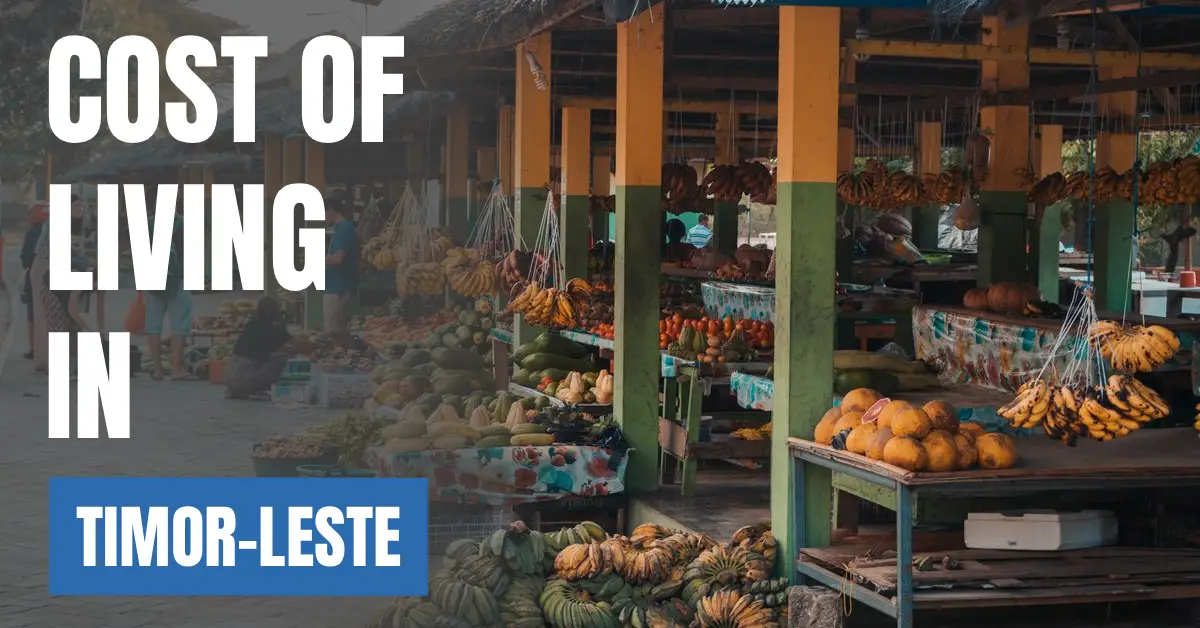
Timor-Leste, also known as East Timor, is a young Southeast Asian nation known for its rugged mountains, pristine beaches, and strong cultural heritage. Its capital, Dili, is the center of commerce, education, and expat activity, while rural areas remain traditional and much more affordable. The cost of living in Timor-Leste is moderate: daily expenses are low, but imported goods and housing for expats can be comparatively costly.
Learn more about the country on the Timor-Leste country page.
Cost of Living in Timor-Leste: Summary Table
| Category | Cost (USD) | Cost (Centavos) |
|---|---|---|
| Average Monthly Cost (Single Person) | $600 – $900 | 60,000 – 90,000 Centavos |
| Average Monthly Cost (Family of Four) | $1,200 – $2,000 | 120,000 – 200,000 Centavos |
| Rent Range | $200 – $800 | 20,000 – 80,000 Centavos |
| Food Cost (Monthly) | $150 – $300 | 15,000 – 30,000 Centavos |
| Transport Cost | $20 – $50 | 2,000 – 5,000 Centavos |
| Utilities | $40 – $100 | 4,000 – 10,000 Centavos |
| Healthcare | $5 – $25 | 500 – 2,500 Centavos |
| Education | $20 – $200 | 2,000 – 20,000 Centavos |
| Miscellaneous Expenses | $30 – $80 | 3,000 – 8,000 Centavos |
Housing & Rent Prices in Timor-Leste
Apartment Rent (Monthly)
- 1-bedroom in city center: $350 – $600 (35,000 – 60,000 Centavos)
- 1-bedroom outside center: $200 – $350 (20,000 – 35,000 Centavos)
- 3-bedroom in city center: $600 – $900 (60,000 – 90,000 Centavos)
- 3-bedroom outside center: $350 – $600 (35,000 – 60,000 Centavos)
Buying Property
- Price per sq meter (city center): $900 – $2,000 (90,000 – 200,000 Centavos)
- Price per sq meter (outside center): $400 – $900 (40,000 – 90,000 Centavos)
Food & Grocery Costs
- Milk (1 liter): $1.20 – $2 (120 – 200 Centavos)
- Bread (loaf): $0.80 – $1.50 (80 – 150 Centavos)
- Rice (1 kg): $0.80 – $1.50 (80 – 150 Centavos)
- Eggs (12): $1.50 – $2.50 (150 – 250 Centavos)
- Chicken (1 kg): $2.50 – $4.50 (250 – 450 Centavos)
- Beef (1 kg): $5 – $8 (500 – 800 Centavos)
- Bananas (1 kg): $0.60 – $1 (60 – 100 Centavos)
- Apples (1 kg): $2 – $3.50 (200 – 350 Centavos)
- Water (1.5L): $0.60 – $1 (60 – 100 Centavos)
- Soft drink (can): $0.80 – $1.20 (80 – 120 Centavos)
Restaurant & Dining Costs
- Inexpensive restaurant meal: $3 – $6 (300 – 600 Centavos)
- Mid-range meal for two: $15 – $30 (1,500 – 3,000 Centavos)
- Fast-food combo: $4 – $7 (400 – 700 Centavos)
- Coffee: $1.50 – $3 (150 – 300 Centavos)
Transportation Costs
- One-way bus/minibus ticket: $0.20 – $0.50 (20 – 50 Centavos)
- Taxi (per km): $0.50 – $1 (50 – 100 Centavos)
- Monthly public transport pass: $10 – $20 (1,000 – 2,000 Centavos)
- Gasoline (per liter): $1.10 – $1.40 (110 – 140 Centavos)
Utility Costs
- Electricity (monthly): $20 – $40 (2,000 – 4,000 Centavos)
- Water: $5 – $10 (500 – 1,000 Centavos)
- Internet (unlimited): $25 – $40 (2,500 – 4,000 Centavos)
- Mobile plan: $3 – $7 (300 – 700 Centavos)
Healthcare Costs
- General doctor visit: $5 – $10 (500 – 1,000 Centavos)
- Specialist visit: $10 – $25 (1,000 – 2,500 Centavos)
- Prescription medicine: $2 – $10 (200 – 1,000 Centavos)
- Private clinic: $20 – $50 (2,000 – 5,000 Centavos)
Education Costs
- Public schools: Very low cost
- Private schools: $20 – $80 (2,000 – 8,000 Centavos) monthly
- International schools: $2,000 – $8,000 yearly
Entertainment & Lifestyle Expenses
- Gym membership: $20 – $40 (2,000 – 4,000 Centavos)
- Movie ticket: $3 – $6 (300 – 600 Centavos)
- Nightlife outing: $5 – $15 (500 – 1,500 Centavos)
- Beach activities: $5 – $20 (500 – 2,000 Centavos)
Cost of Living for Different Groups
For Singles
Singles can live comfortably in Timor-Leste with moderate expenses, though imported goods may increase the budget.
For Couples
Couples benefit from shared housing and utilities, keeping costs low.
For Families
Families find local schooling affordable, but costs rise significantly for international education.
For Students
Students benefit from low transport and food costs, especially in Dili and university areas.
For Expats
Expats may face higher housing and import costs but overall enjoy a reasonable cost of living and a relaxed lifestyle.
Comparison With Other Countries
- Timor-Leste vs Indonesia – Indonesia is generally cheaper and more developed.
- Timor-Leste vs Philippines – Similar costs, but imported items are pricier in Timor-Leste.
- Timor-Leste vs Vietnam – Vietnam is more affordable in almost every category.
Pros & Cons of Living in Timor-Leste
Pros
- Low daily living costs
- Beautiful beaches and natural scenery
- Calm lifestyle with friendly communities
- Fresh local produce
Cons
- Imported goods are expensive
- Limited healthcare facilities
- Infrastructure is still developing
- Higher rent for expat-standard housing
Final Summary
Timor-Leste offers a peaceful and affordable lifestyle, particularly appealing to volunteers, expats working in development, and families seeking a slower pace. While daily essentials are inexpensive, housing, healthcare, and imported goods can be costlier. Overall, it is a budget-friendly destination with a unique cultural and natural environment.
FAQs
Is Timor-Leste expensive to live in?
No, daily living costs are low, but imported goods and expat-standard housing can be expensive.
How much salary is enough to live comfortably in Timor-Leste?
Singles need $600–$900 monthly, while families need $1,200–$2,000 to live comfortably.
What is the average rent in Timor-Leste?
Rent ranges from $200 to $800 depending on location and house size.
Is Timor-Leste good for expats?
Yes, especially for those in the development sector, though infrastructure is still maturing.
Is Timor-Leste cheaper than Indonesia?
No, Indonesia is generally cheaper and more developed in terms of infrastructure and services.