Cost of Living in Austria 2026 Guide for Expats and Travelers
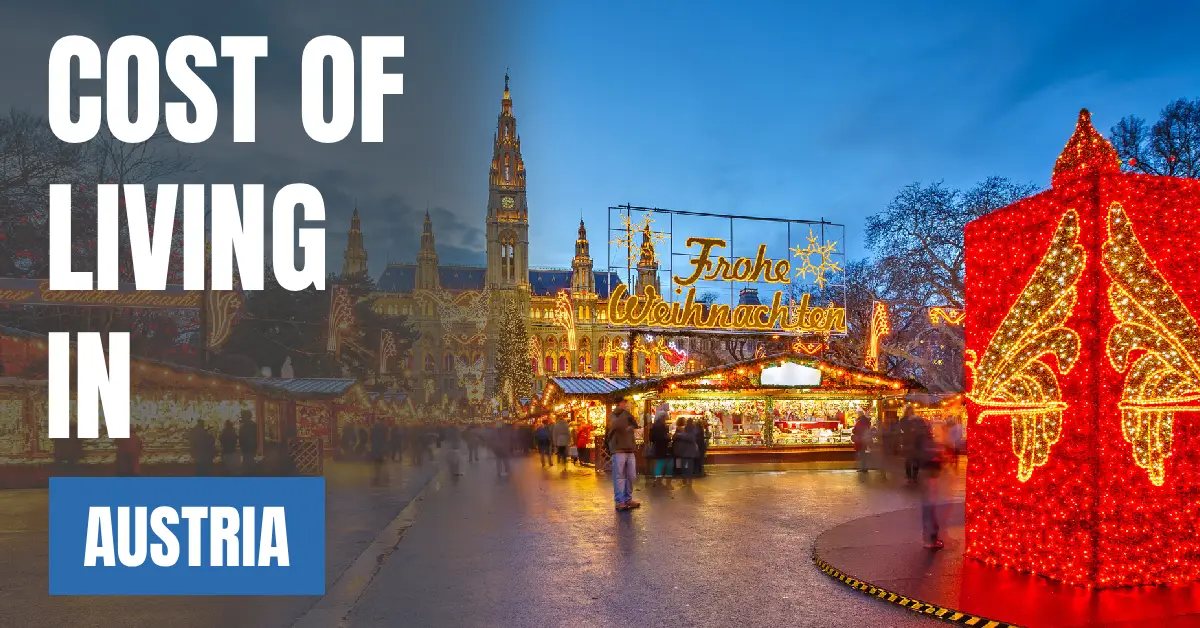
Austria is one of Europe’s most beautiful and well-developed countries, known for its high quality of life, clean cities, Alpine scenery, rich music culture, and efficient public services. Cities like Vienna, Salzburg, Graz, and Innsbruck offer a blend of modern living and old-world charm. The cost of living in Austria is moderate compared to other Western European nations, making it attractive for expats, students, digital nomads, and families seeking a balanced lifestyle.
To explore more about the country, visit the detailed guide here: Austria.
Cost of Living in Austria: Summary Table
| Category | Estimated Cost (USD) | Estimated Cost (EUR) |
|---|---|---|
| Average Monthly Cost (Single Person) | $1,200 – $1,800 | EUR (varies by market rates) |
| Average Monthly Cost (Family of Four) | $2,800 – $4,500 | EUR |
| Rent Range | $800 – $2,000 | EUR |
| Food Cost (Monthly) | $300 – $500 | EUR |
| Transport Cost | $40 – $100 | EUR |
| Utilities | $150 – $250 | EUR |
| Healthcare | $40 – $100 per visit | EUR |
| Education | $2,000 – $10,000 annually (private) | EUR |
| Miscellaneous Expenses | $80 – $200 | EUR |
Housing & Rent Prices in Austria
3.1 Apartment Rent (Monthly)
- 1-bedroom apartment in city center: $1,000 – $1,600
- 1-bedroom apartment outside center: $700 – $1,100
- 3-bedroom apartment in city center: $1,800 – $2,800
- 3-bedroom apartment outside center: $1,300 – $2,000
3.2 Buying Property
Property prices vary depending on the region. Vienna and Salzburg have the highest price-per-square-meter, while Graz and Linz offer more affordable property markets. Austria maintains strict regulations on foreign property ownership, especially in Alpine regions.
Food & Grocery Costs
Food prices in Austria are similar to most Western European countries. High-quality dairy, bread, and meats are widely available.
- Milk (1 liter): $1.00 – $1.50
- Bread (loaf): $1.50 – $3.00
- Rice (1 kg): $1.50 – $2.50
- Eggs (12): $2.50 – $4.00
- Chicken (1 kg): $6.00 – $10.00
- Beef (1 kg): $10.00 – $20.00
- Apples (1 kg): $2.00 – $3.00
- Potatoes (1 kg): $1.00 – $2.00
- Water (1.5 L): $0.50 – $1.00
- Soft drinks: $1.50 – $3.00
Average monthly grocery cost:
- Single person: $300 – $400
- Family of four: $500 – $700
Restaurant & Dining Costs
- Meal at inexpensive restaurant: $12 – $20
- Mid-range restaurant (2 people): $50 – $90
- Fast food combo: $8 – $12
- Coffee: $3 – $5
- Tea: $2 – $4
Transportation Costs
- One-way public transport ticket: $2 – $3
- Monthly pass: $40 – $60
- Taxi (per km): $1 – $2
- Fuel (per liter): $1.50 – $2.00
Optional car expenses:
- Basic maintenance: $20 – $50
- Parking (urban): $50 – $150 per month
Utility Costs
- Electricity: $40 – $80
- Water: $20 – $40
- Heating: $50 – $120
- Internet (home): $25 – $40
- Mobile plans: $10 – $25
Healthcare Costs
- General physician visit: $40 – $70
- Specialist visit: $60 – $100
- Common medications: $5 – $20
- Private health insurance: varies by provider
Education Costs
- Public schools: Low-cost or free
- Private schools: $2,000 – $10,000 annually
- University tuition: Low for EU students, moderate for international students
Entertainment & Lifestyle Expenses
- Gym membership: $20 – $50
- Movie ticket: $8 – $15
- Sports activities: $20 – $50
- Museum entry: $10 – $20
- Nightlife: $20 – $50 per outing
Cost of Living for Different Groups
11.1 Cost of Living for Singles
Singles typically spend $1,200 – $1,800 monthly depending on housing and lifestyle.
11.2 Cost of Living for Couples
Couples usually require $2,000 – $3,200 per month.
11.3 Cost of Living for Families
A family of four typically needs $2,800 – $4,500 monthly, including school expenses.
11.4 Cost of Living for Students
Students can manage on $800 – $1,200 monthly when sharing accommodation.
11.5 Cost of Living for Expats
Expats often spend $1,800 – $3,500 monthly depending on city and lifestyle choices.
Comparison With Other Countries
- Austria vs Germany: Costs are similar, but Vienna may be slightly cheaper than Munich.
- Austria vs Switzerland: Austria is significantly more affordable.
- Austria vs France: Austria has lower rent and transport costs.
Pros & Cons of Living in Austria
Pros
- High quality of life
- Clean and safe cities
- Excellent healthcare and public services
- Efficient public transportation
- Rich culture and scenic landscapes
Cons
- High rent in Vienna and Salzburg
- Cold winters in Alpine regions
- Higher prices for imported goods
Final Summary
Austria offers an excellent standard of living with clean cities, great healthcare, efficient public transport, and a strong cultural identity. While living costs can be high in major cities, the country remains a top choice for expats, students, families, and professionals seeking safety, stability, and comfort. More affordable options exist in smaller cities like Graz, Linz, and Klagenfurt.
Explore more Austria resources:
- Best Cities in Austria
- Best Places to Visit in Austria
- Top Universities in Austria
- Best Shopping Malls in Austria
- Best National Parks in Austria
- Best Hospitals in Austria
- Best Hotels in Austria
FAQs
Is Austria expensive to live in?
Yes, Austria is moderately expensive, especially in major cities like Vienna and Salzburg, but it offers excellent public services and a high standard of living.
How much salary is enough to live comfortably in Austria?
A monthly income of $2,000 – $3,500 is generally enough for a comfortable lifestyle.
What is the average rent in Austria?
Rent ranges from $800 to $2,000 depending on city and apartment type.
Is Austria good for expats?
Yes, Austria is popular among expats due to its safety, cleanliness, public services, and quality of life.
Is Austria cheaper than Switzerland?
Yes, Austria is significantly cheaper than Switzerland in almost every category.