
Cost of Living in Dominican Republic 2026 Guide for Expats and Travelers
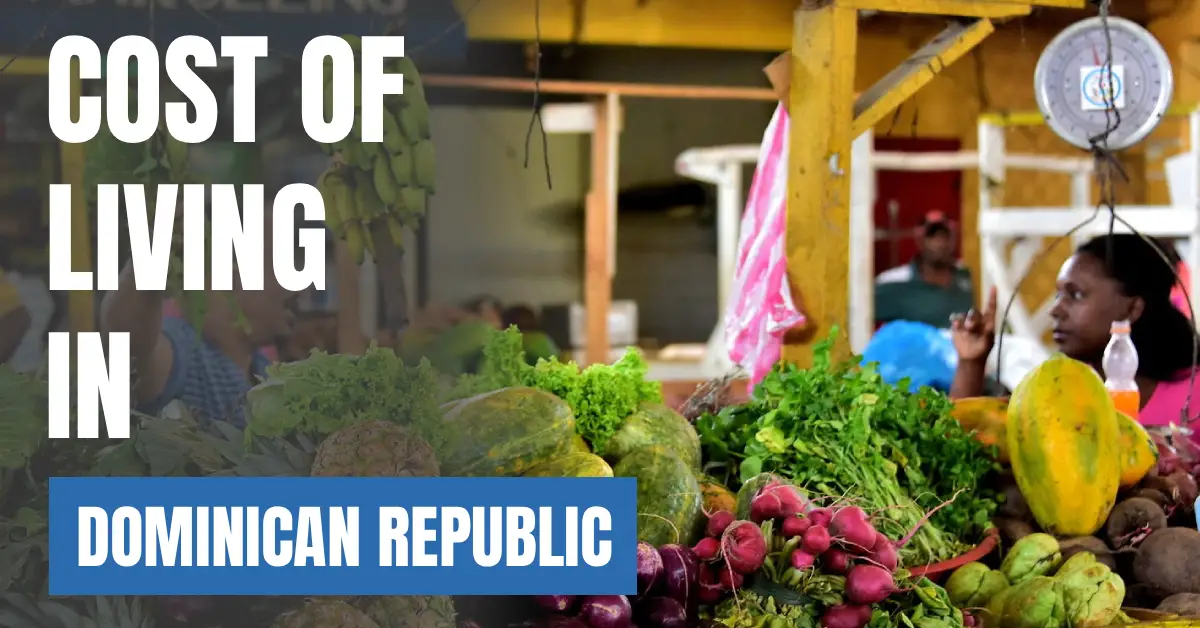
The Dominican Republic, located in the Caribbean, is known for its beautiful beaches, tropical climate, vibrant culture, and diverse cities such as Santo Domingo, Santiago, Punta Cana, and Puerto Plata. It attracts expats, digital nomads, retirees, students, and professionals because of its balanced lifestyle, modern infrastructure, and relatively affordable living. Understanding the cost of living in the Dominican Republic helps newcomers plan their expenses effectively.
Learn more about the country here: Dominican Republic.
Cost of Living in Dominican Republic: Summary Table
| Category | Estimated Cost (USD) | Estimated Cost (DOP) |
|---|---|---|
| Average Monthly Cost (Single Person) | $700 – $1,200 | DOP (varies) |
| Average Monthly Cost (Family of Four) | $1,600 – $2,800 | DOP |
| Rent Range | $350 – $1,100 | DOP |
| Food Cost (Monthly) | $250 – $450 | DOP |
| Transport Cost | $30 – $60 | DOP |
| Utilities | $80 – $180 | DOP |
| Healthcare | $15 – $50 per visit | DOP |
| Education | $800 – $4,000 annually | DOP |
| Miscellaneous Expenses | $30 – $120 | DOP |
Housing & Rent Prices in Dominican Republic
3.1 Apartment Rent (Monthly)
The cost of rent varies depending on the city—Santo Domingo and Punta Cana are pricier, while smaller towns are more affordable.
- 1-bedroom in city center: $500 – $900
- 1-bedroom outside center: $300 – $550
- 3-bedroom in city center: $800 – $1,300
- 3-bedroom outside center: $550 – $900
3.2 Buying Property
The Dominican Republic is a popular destination for real estate investment, especially in tourist-friendly areas such as Punta Cana, Bávaro, and Puerto Plata.
Food & Grocery Costs
Local food is affordable, especially fresh produce and Dominican staples. Imported items are more expensive due to shipping.
- Milk (1 liter): $1.20 – $2.00
- Bread (loaf): $1.00 – $1.80
- Rice (1 kg): $1.20 – $2.00
- Eggs (12): $1.50 – $2.50
- Chicken (1 kg): $4.00 – $7.00
- Beef (1 kg): $7.00 – $12.00
- Bananas (1 kg): $0.70 – $1.20
- Tomatoes (1 kg): $1.50 – $3.00
- Bottled water (1.5 L): $0.70 – $1.30
- Soft drinks: $1.00 – $2.00
Monthly grocery estimate:
- Single person: $250 – $350
- Family of four: $350 – $500
Restaurant & Dining Costs
- Inexpensive meal: $5 – $10
- Mid-range restaurant (two people): $25 – $50
- Fast food combo: $6 – $9
- Coffee: $1.50 – $3.50
- Fresh fruit juice: $1.50 – $3.00
Transportation Costs
Transport is affordable; locals often use motoconchos, buses, and shared taxis.
- One-way ticket: $0.50 – $1.00
- Monthly public transport pass: $25 – $40
- Taxi (per km): $1.00 – $2.00
- Fuel (per liter): $1.10 – $1.60
Optional vehicle expenses:
- Car maintenance: $30 – $80
- Parking: varies, often inexpensive
Utility Costs
Electricity costs can increase significantly when using air conditioning.
- Electricity: $40 – $100
- Water: $5 – $15
- Internet: $25 – $45
- Mobile plans: $10 – $20
Healthcare Costs
Healthcare is affordable, with both public and private hospitals available. Many expats choose private insurance.
- GP consultation: $15 – $25
- Specialist visit: $25 – $50
- Common medicines: $5 – $20
Education Costs
- Public schools: low-cost or free
- Private schools: $800 – $4,000 annually
- International schools: higher fees depending on curriculum
Entertainment & Lifestyle Expenses
- Gym membership: $20 – $40
- Movie ticket: $4 – $8
- Beach clubs / events: $5 – $20
- Nightlife: $5 – $15 per outing
Cost of Living for Different Groups
11.1 Cost of Living for Singles
Singles typically spend $700 – $1,200 depending on lifestyle and rent.
11.2 Cost of Living for Couples
Couples spend around $1,200 – $2,000 monthly.
11.3 Cost of Living for Families
A family of four usually spends $1,600 – $2,800 including housing, food, utilities, and schooling.
11.4 Cost of Living for Students
Students can manage on $600 – $1,000 per month by choosing budget-friendly accommodation.
11.5 Cost of Living for Expats
Expats generally spend $1,500 – $2,500 based on housing area and lifestyle choices.
Comparison With Other Countries
- Dominican Republic vs Jamaica: DR is often more affordable for rent and groceries.
- Dominican Republic vs Mexico: Mexico may offer lower food prices in many regions.
- Dominican Republic vs USA: DR is significantly cheaper overall.
Pros & Cons of Living in Dominican Republic
Pros
- Affordable cost of living compared to many Caribbean nations
- Beautiful beaches and warm tropical climate
- Friendly local culture
- Good balance of modern amenities and natural beauty
Cons
- Electricity outages in some areas
- Traffic congestion in large cities
- Imported goods can be expensive
Final Summary
The Dominican Republic offers an appealing mix of lifestyle, affordability, and warm climate. With moderate housing costs, accessible healthcare, and affordable food, it is suitable for expats, retirees, digital nomads, students, and families. While luxury imports and certain services can be costly, everyday living remains reasonably priced, especially outside major tourist zones.
Explore more Dominican Republic resources:
- Best Cities in Dominican Republic
- Best Places to Visit in Dominican Republic
- Top Universities in Dominican Republic
- Best Shopping Malls in Dominican Republic
- Best National Parks in Dominican Republic
- Best Hospitals in Dominican Republic
- Best Hotels in Dominican Republic
FAQs
Is Dominican Republic expensive to live in?
No, the Dominican Republic is moderately priced and cheaper than many Caribbean islands.
How much salary is enough to live comfortably in Dominican Republic?
A monthly income of $1,200 – $2,000 is usually enough for comfortable living.
What is the average rent in Dominican Republic?
Rent ranges from $350 to $1,100 depending on location and apartment size.
Is Dominican Republic good for expats?
Yes, it is popular with expats due to affordable living, beautiful beaches, and a relaxed lifestyle.
Is Dominican Republic cheaper than Jamaica?
Generally yes, especially for rent and basic groceries.