
Cost of Living in Tuvalu 2026 Guide for Expats and Travelers
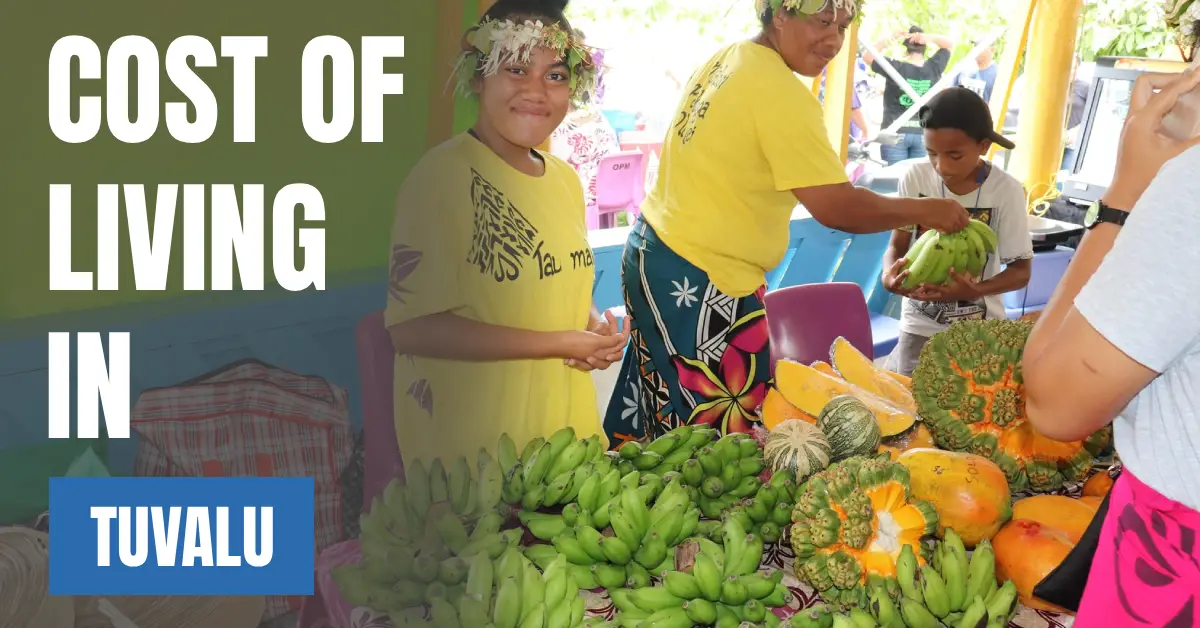
Tuvalu, one of the world’s smallest island nations, is a peaceful and remote country located in the Pacific Ocean. With its low population, strong community bonds, and simple lifestyle, Tuvalu offers a slow-paced living environment ideal for people seeking tranquility. The economy relies heavily on imports, which affects the overall cost of living, especially for non-local goods. Still, basic food, local produce, and essential services remain relatively affordable for long-term residents, students, and expats working in development or government roles.
For more details about the country, visit the Tuvalu country page.
Cost of Living in Tuvalu: Summary Table
| Category | Cost (USD) | Cost (TVD/AUD) |
|---|---|---|
| Average Monthly Cost (Single Person) | $600 – $900 | 900 – 1,350 TVD |
| Average Monthly Cost (Family of Four) | $1,800 – $3,000 | 2,700 – 4,500 TVD |
| Rent Range | $200 – $600 | 300 – 900 TVD |
| Food Cost (Monthly) | $200 – $400 | 300 – 600 TVD |
| Transport Cost | $20 – $50 | 30 – 75 TVD |
| Utilities | $40 – $100 | 60 – 150 TVD |
| Healthcare | $10 – $30 | 15 – 45 TVD |
| Education | $5 – $100 | 7 – 150 TVD |
| Miscellaneous Expenses | $50 – $150 | 75 – 225 TVD |
Housing & Rent Prices in Tuvalu
Apartment Rent (Monthly)
- 1-bedroom in Funafuti (capital): $300 – $600 (450 – 900 TVD)
- 1-bedroom outside center: $200 – $350 (300 – 525 TVD)
- 3-bedroom home: $500 – $900 (750 – 1,350 TVD)
Buying Property
Land is largely communally owned; buying property is rare and usually restricted. Most foreigners rent long-term housing instead.
Food & Grocery Costs
- Local fish (1 kg): $3 – $6 (4 – 9 TVD)
- Bread: $1.50 – $2 (2.2 – 3 TVD)
- Rice (1 kg): $1.50 – $3 (2.2 – 4.5 TVD)
- Chicken (1 kg): $4 – $7 (6 – 10 TVD)
- Eggs (12): $3 – $5 (4 – 7.5 TVD)
- Canned goods: $1 – $3 (1.5 – 4.5 TVD)
- Imported fruits (1 kg): $4 – $8 (6 – 12 TVD)
- Local fruits (coconut, breadfruit): Cheap or free
- Soft drink can: $1.20 – $2 (2 – 3 TVD)
Restaurant & Dining Costs
- Inexpensive restaurant meal: $5 – $10 (7 – 15 TVD)
- Mid-range meal for two: $15 – $35 (22 – 52 TVD)
- Fast food or takeaway: $4 – $8 (6 – 12 TVD)
- Coffee: $2 – $3 (3 – 4.5 TVD)
Transportation Costs
- Local transport (shared minibuses): $1 – $2 (1.5 – 3 TVD)
- Taxi (short ride): $3 – $6 (4.5 – 9 TVD)
- Fuel per liter: $1.50 – $2 (2.2 – 3 TVD)
- Scooter rental (daily): $10 – $20 (15 – 30 TVD)
Utility Costs
- Electricity (monthly): $20 – $50 (30 – 75 TVD)
- Water: $10 – $20 (15 – 30 TVD)
- Internet (limited plans): $20 – $50 (30 – 75 TVD)
- Mobile plan: $5 – $15 (7 – 22 TVD)
Healthcare Costs
- Public healthcare: Low cost
- Doctor consultation: $5 – $15 (7 – 22 TVD)
- Medicines: $3 – $20 (4 – 30 TVD)
- Private services: Limited availability
Education Costs
- Public schools: Free or low cost
- Private/mission schools: $10 – $100 (15 – 150 TVD)
Entertainment & Lifestyle Expenses
- Gym membership: $10 – $30 (15 – 45 TVD)
- Movie or community events: Low cost
- Island tours: $20 – $60 (30 – 90 TVD)
Cost of Living for Different Groups
For Singles
Singles can live on a moderate budget if relying on local products and simple accommodation.
For Couples
Couples enjoy shared costs and benefit from affordable food and slow-paced island life.
For Families
Families benefit from low school fees and safe living conditions, but imported goods can add to expenses.
For Students
Students can budget well by using public services and participating in community living.
For Expats
Expats working with NGOs or government projects find Tuvalu quiet, safe, and moderately affordable.
Comparison With Other Countries
- Tuvalu vs Fiji – Fiji has more options but higher living costs.
- Tuvalu vs Samoa – Samoa is slightly cheaper and more developed.
- Tuvalu vs Kiribati – Similar in cost, with Tuvalu slightly more expensive due to imports.
Pros & Cons of Living in Tuvalu
Pros
- Peaceful lifestyle
- Low crime rate
- Strong sense of community
- Affordable local foods
Cons
- High cost of imported goods
- Limited healthcare and shopping options
- Small job market
- Very remote location
Final Summary
Tuvalu offers a calm, community-oriented lifestyle with reasonably low everyday expenses, especially for locals and long-term residents. However, reliance on imported goods and limited infrastructure can raise costs for expats and foreign workers. Overall, Tuvalu is ideal for people seeking simplicity, peace, and a unique island experience.
FAQs
Is Tuvalu expensive to live in?
Tuvalu is moderately affordable, though imported goods can be expensive due to limited local production.
How much salary is enough to live comfortably in Tuvalu?
A single person should have $600–$900 monthly, while families may need $1,800–$3,000.
What is the average rent in Tuvalu?
Rent typically ranges from $200 to $600 depending on housing size and location.
Is Tuvalu good for expats?
Yes, particularly for expats working in development, education, and government sectors.
Is Tuvalu cheaper than Fiji?
Generally, Tuvalu is slightly cheaper in local costs but more expensive for imports.